Langkawi Mangrove Tour Guide
A calm, practical guide to Kilim, the mangrove rivers, caves, wildlife, private tours and the quieter way to experience one of Langkawi's most revealing landscapes.
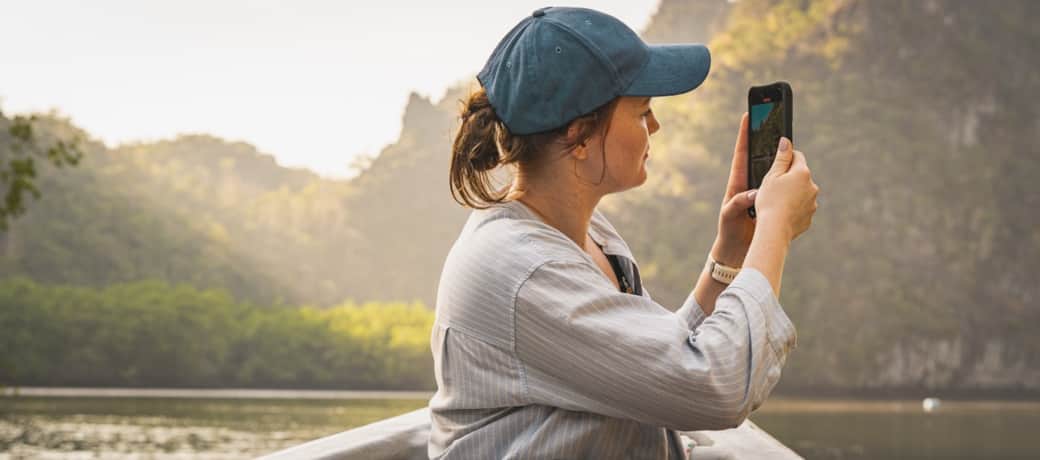
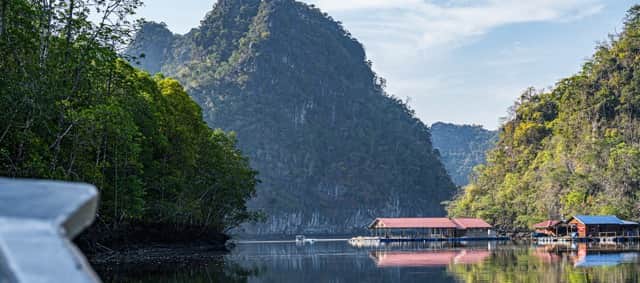
Langkawi's mangroves are not a backdrop. They are part of the island's structure.
While most visitors arrive for beaches and sunsets, the mangrove forests quietly shape Langkawi's rhythm - filtering water, protecting coastlines, and sheltering wildlife that existed here long before resorts or road.
Beyond the white beaches, exploring the mangroves reveals a different side of Langkawi, where nature takes center stage and the landscape becomes something slower, quieter, and more memorable. A mangrove tour is not an activity in the usual sense. It is a pause - a slow passage through one of Southeast Asia's most important coastal ecosystems and one of Langkawi's most revealing experiences.
01. What the tour is river, caves, cliffs
02. Why the mangroves matter ecosystem and wildlife
03. What you will see routes and highlights
04. Private, group or kayak choosing the pace
05. When to go time, season, early morning
06. Practical notes duration, clothing, families
01. What Is the Langkawi Mangrove Tour?
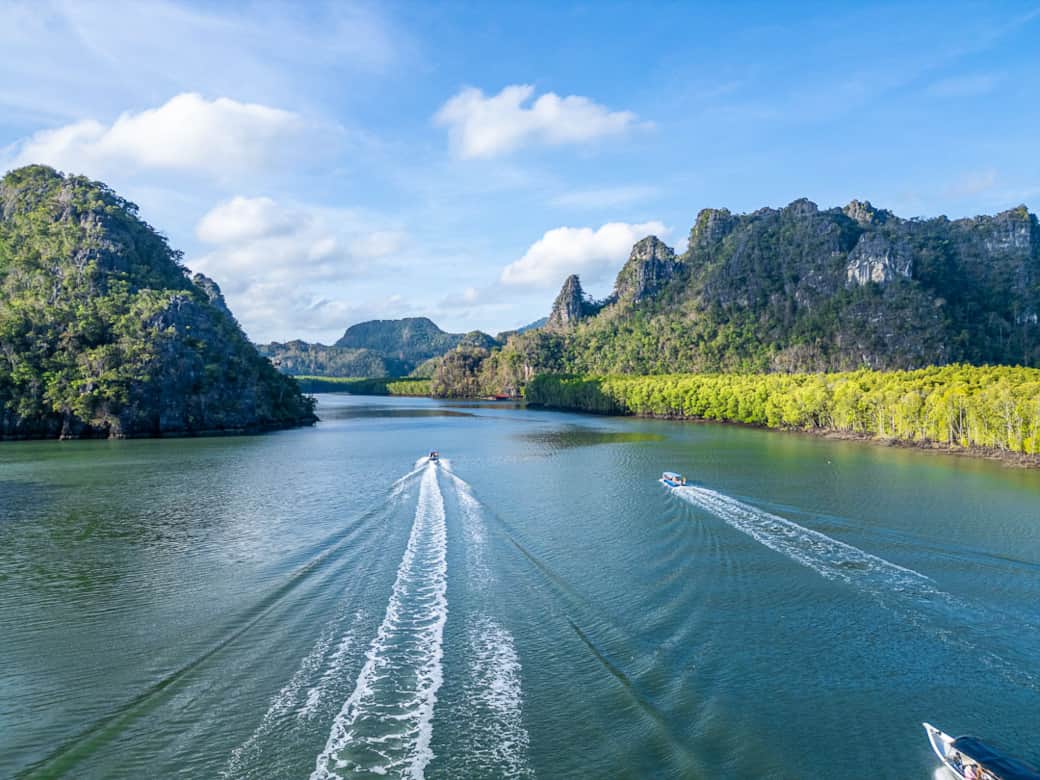
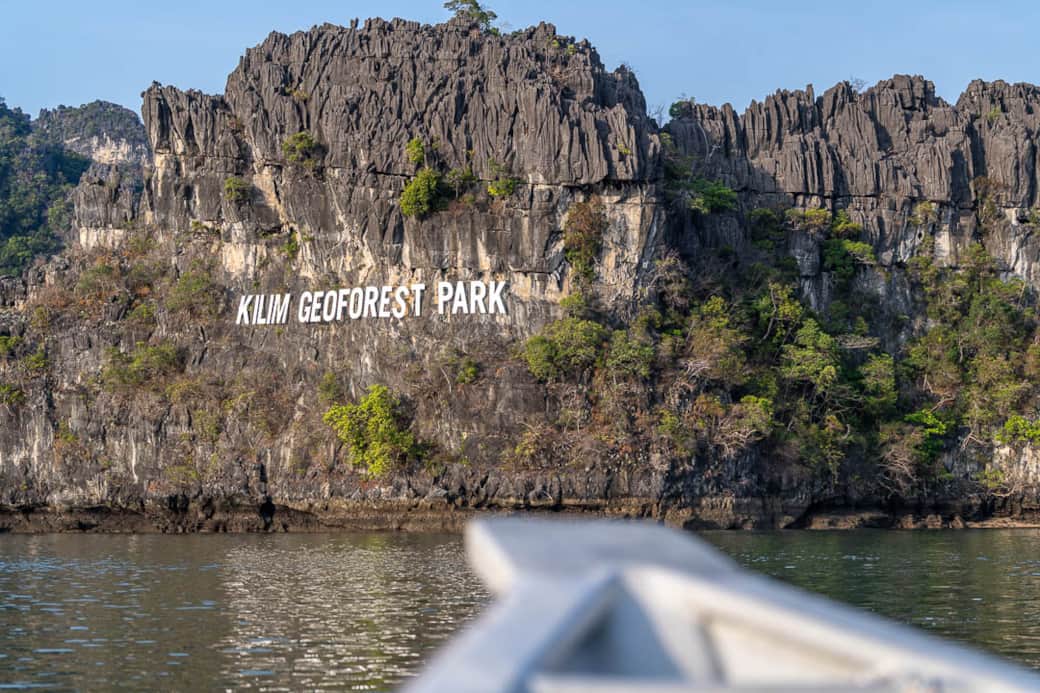
The Langkawi mangrove tour takes place in Kilim Karst Geoforest Park, in the island's northeast. The landscape is defined by dense mangrove forests, limestone cliffs, narrow river channels, open estuaries, and brackish waterways connecting land and sea.
Tours typically involve a boat journey through mangrove-lined rivers, caves, and coastal inlets, with short stops to explore geological formations and observe wildlife. The pace is slow by design. This is not island hopping. It is immersion.
At a Glance
WHERE
Kilim Karst Geoforest Park, northeast Langkawi.
DURATION
Usually 2 to 4 hours, depending on route.
BEST TIME
Morning for cooler air and wildlife; late afternoon for softer light.
BEST FOR
Nature, families, photography, quiet boat experiences.
02. The mangroves are part of Langkawi's balance.
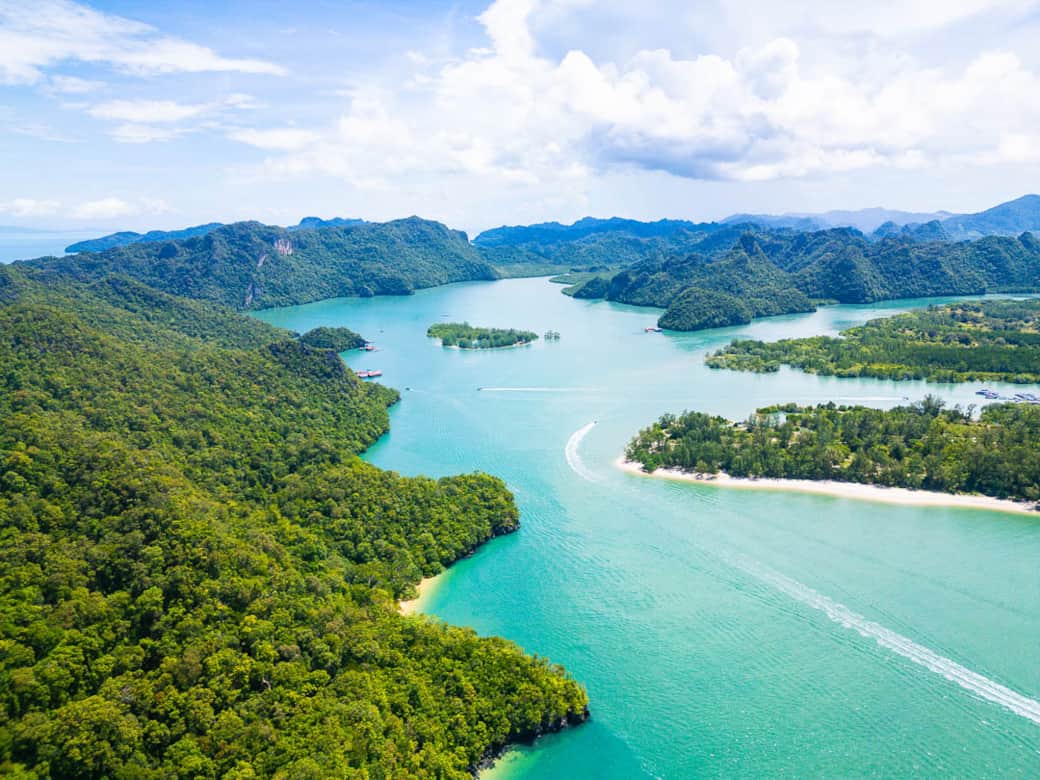
Mangroves are among the most efficient ecosystems on earth. In Langkawi, they also provide a natural habitat for a wide variety of species and are a defining feature of the island.
They protect the coastline from erosion, act as nurseries for fish, crabs and marine life, filter saltwater and freshwater naturally, and support birds, monkeys, reptiles and insects.
COASTLINE
They help protect Langkawi's shoreline and calm the edge between land and sea.
HABITAT
They shelter birds, macaques, monitor lizards, mudskippers and marine life.
WATER
Their roots filter and hold the meeting point of freshwater and saltwater.
LEARNING
Guides explain the ecosystem naturally, without screens or signage.
It is one of the few experiences in Langkawi where learning happens naturally - through the river, the roots, the cliffs and the stillness between stops.
03. What You'll See on a Mangrove Tour

MANGROVE RIVER CHANNELS
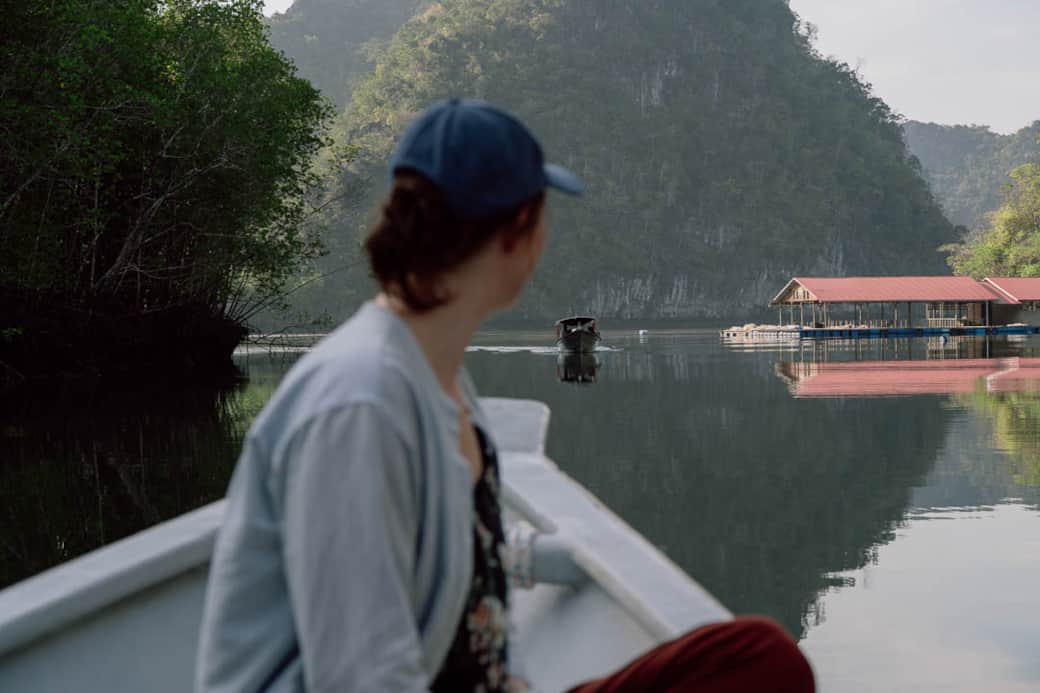
Narrow waterways shaded by arching roots and low branches. Engines run quietly, and the water is calm.
LIMESTONE FORMATIONS
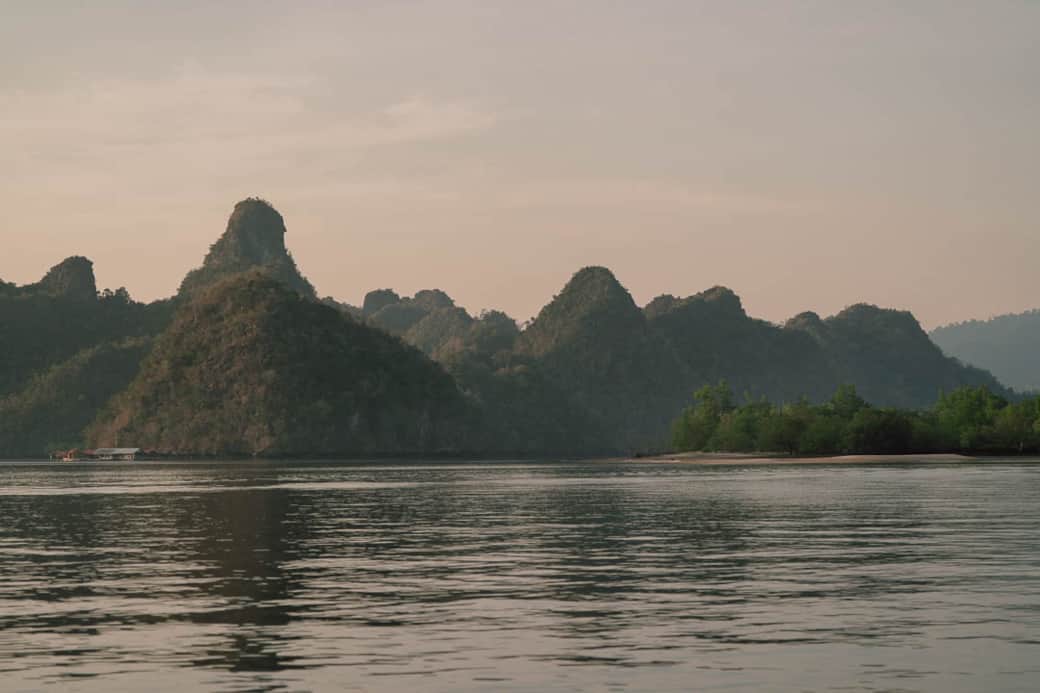
Sheer karst cliffs rise abruptly from the river, shaped over millions of years and giving the landscape its sculptural quality.
BAT CAVE & CROCODILE CAVE
Natural caves accessible by boat or short walk, offering a cool, echoing contrast to the open river.
WILDLIFE
Eagles, monitor lizards, mudskippers and macaques are commonly spotted. Sightings are never guaranteed, which makes each tour different.
WOW NOTE
Wildlife should be observed quietly and from a respectful distance. The most meaningful tours are the ones where the landscape remains undisturbed.
04. Private, Group or Kayak
Group Mangrove Tours
• More affordable
• Fixed route and timing
• Faster pace and more commentary
Group tours are practical for travellers who want an easy introduction and do not mind sharing the route with others.
Private Mangrove Tours
• Flexible timing
• Quieter experience
• Ability to linger, pause or skip stops
For travellers seeking calm rather than coverage, private tours provide a significantly better experience.
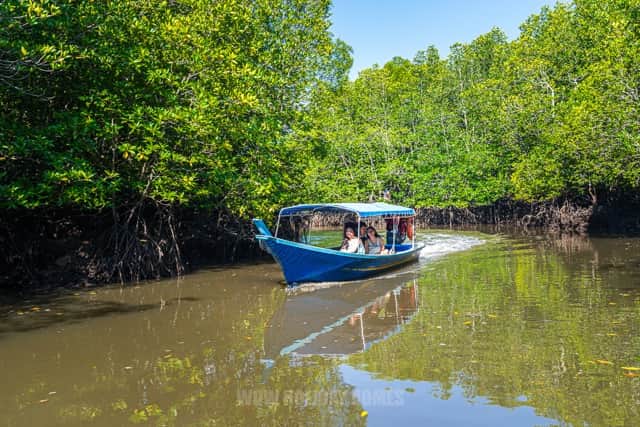
Mangrove Kayak Tours
Kayak mangrove tours offer a more intimate perspective. At water level, without engine noise, the environment changes. Narrow channels open up. Wildlife becomes easier to notice. The forest feels closer, more present.
WOW NOTE
Choose the format based on energy and comfort. A private boat is easiest. A kayak is quieter, more physical and more immersive.
05. Best Time to Do the Langkawi Mangrove Tour
Time of Day
Morning: Cooler temperatures and better wildlife activity.
Late afternoon: Softer light and quieter waterways.
Season
November to April: Drier conditions and calmer waters.
May to October: Lusher landscape and fewer visitors.
Unlike Malaysia's east coast islands, Langkawi remains accessible even during monsoon months.
WHY EARLY MORNING CHANGES EVERYTHING
Most mangrove tours begin mid-morning, once the harbour is active. By then, boats line up and the waterways feel busier. Early morning tells a different story. The river is still, the water reflects the sky, wildlife is more active, and the forest feels like it is waking before the rest of the island.
WOW EARLY START
Guests staying with WOW Holiday Homes Langkawi can request an early-start mangrove experience led by Apit, one of the few local boat drivers willing to begin as early as 8:00 AM. At that hour, there may be only one boat inside the mangrove forest.
You have not just seen the mangroves. You have witnessed Langkawi waking up - quietly, properly.
06. How to Prepare
WHAT TO WEAR
Light, breathable clothing is best. Comfortable footwear helps for short cave walks. No special gear is required; this is not an adventure sport.
HOW LONG IT TAKES
Most mangrove tours last 2 to 4 hours, depending on route length, number of stops,and whether the experience is private or shared. Two hours are ideal. Longer is not always better - attention fades before the landscape does.
WHAT TO BRING
Sun protection, a hat, sunglasses, water, camera or phone, and a water-resistant case if you plan to take photos on the boat.
FAMILIES
The tour is suitable for families, particularly with older children. It is calm, educational and visually engaging. Younger children may find quiet stretches long, but caves and wildlife usually hold attention.
The mangroves reflect the island's character.
Unhurried. Unpolished. Deeply functional without being performative. They are not here to impress. They are here to endure. The overall experience of a Langkawi mangrove tour captures the essence of the island - quiet, natural, and more layered than it first appears.
Where You Stay Shapes the Experience
A mangrove tour works best when it is part of a slower itinerary - not squeezed between activities.
Many travellers choose private villas rather than large resorts, allowing mornings to unfold naturally and afternoons to remain unscheduled.
In Langkawi, WOW Holiday Homes offers private pool villas across quieter parts of the island, making it easier to experience places like the mangroves without crowds or rigid timetables.
The difference is subtle. But it changes everything.
Learn more about Langkawi